

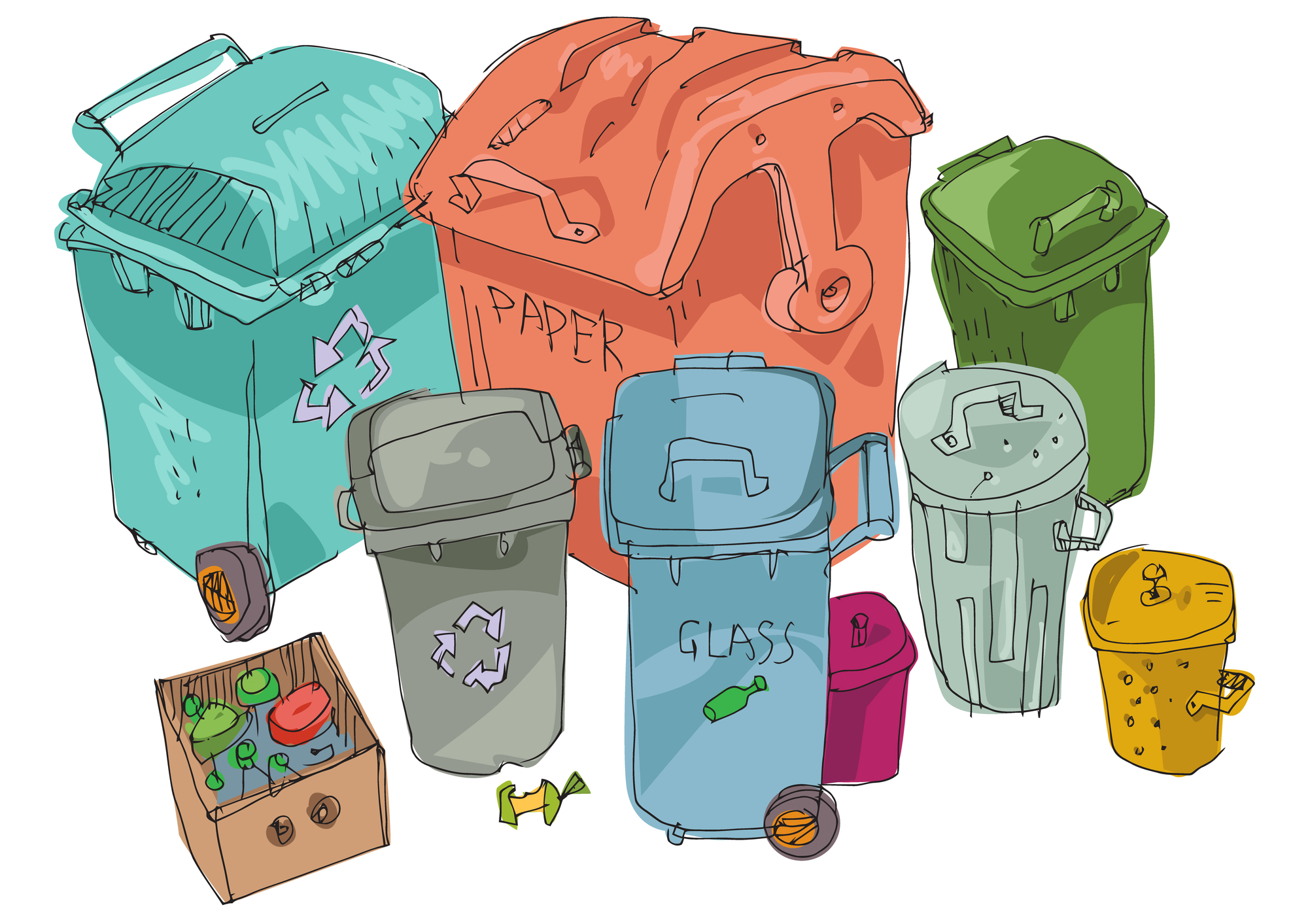
 The U.S. government estimates that there are over one million warehouse and storage buildings with a total floorspace of 17.4 billion square feet. That’s a lot of space to keep clean. Waste management in warehouses isn’t just about keeping floors clean. It’s about improving operational efficiency, maintaining safety standards, and contributing to environmental goals. Warehouses, by nature, deal with high volumes of materials—packaging, product waste, damaged goods, and more. Without smart waste handling, things can spiral quickly: cluttered aisles, operational slowdowns, and regulatory issues.
In today’s business climate, efficient waste handling is no longer optional. It’s a necessity. Let’s explore how warehouses can streamline operations and make their waste management practices more sustainable.
The Importance of Waste Management in Warehouse Operations
Proper waste handling starts with recognizing its role in warehouse efficiency. Poor waste management can lead to serious problems—blocked workflows, increased downtime, and even worker injuries. A cluttered warehouse slows everything down. And when forklifts and other equipment have to navigate around piles of waste, productivity suffers.
Moreover, mishandled waste can result in environmental penalties. Regulatory bodies are stepping up enforcement, and fines for non-compliance can be costly. Smart waste handling helps warehouses stay compliant while running smoother operations.
Warehouses that prioritize clean, well-organized environments reduce hazards and improve worker morale. It’s a foundational step toward operational excellence.
Types of Waste Commonly Found in Warehouses
Warehouses generate a variety of waste, and managing each type requires different strategies. These are the most common categories:
- Packaging Waste: Cardboard boxes, plastic wrap, wooden pallets. These make up the bulk of warehouse waste.
- Damaged Goods: Unsellable items due to shipping or handling damage.
- Hazardous Materials: Batteries, chemicals, or electronics in some facilities.
- General Waste: Trash from break rooms, shipping labels, and administrative areas
Understanding what types of waste your facility generates is the first step in designing a more efficient handling process.
Smart Strategies to Streamline Warehouse Waste Handling
Smart waste handling doesn’t mean spending more—it means working smarter. Here are several strategies to boost efficiency:
1. Centralized Waste Stations
Creating clearly marked waste zones reduces confusion. Workers know exactly where to dispose of materials, keeping work areas cleaner and minimizing unnecessary walking.
2. Scheduled Waste Removal
Don’t wait until waste overflows. Regular pickups or scheduled internal transport of waste to dumpsters or compactors can avoid last-minute scrambles and help keep operations consistent.
3. Use of Self Dumping Hoppers
Investing in reliable equipment can dramatically simplify waste handling. Self-dumping hoppers are particularly effective in warehouse environments. They can be easily loaded with waste and transported by forklifts to disposal sites. Their automatic dumping mechanism saves time and reduces physical strain on workers.
These tools not only improve workflow but also lower the risk of workplace injury—an important consideration for maintaining a safe facility.
4. Training and SOPs
Workers should know how to dispose of each type of waste properly. Standard operating procedures (SOPs) reduce mistakes and ensure that waste is sorted correctly, especially when recycling or hazardous materials are involved.
Technologies and Tools That Improve Waste Efficiency
Automation and data analytics have reached warehouse waste management. Modern facilities are using these tools to stay ahead:
- Waste Tracking Software: Monitor what types of waste are being generated, how much, and where. This insight can inform better purchasing and process decisions.
- Smart Compactors: These machines automatically compress waste, reducing volume and the number of hauls needed.
- IoT Sensors: Trash bins with fill sensors can alert managers when pickups are required, optimizing waste routes and collection timing.
Such technologies help warehouses reduce costs, streamline operations, and reduce environmental impact—without adding complexity.
Sustainable Waste Practices for a Greener Warehouse
Sustainability isn’t just a buzzword anymore. Customers, investors, and regulatory agencies expect action. Warehouses can support sustainability goals by rethinking how they manage waste:
- Recycling Programs: Separate materials like cardboard, plastics, and metals to reduce landfill use. Many municipalities and third-party vendors offer business recycling services.
- Reuse Initiatives: Repurpose wooden pallets or use biodegradable packing materials where possible.
- Energy-Efficient Waste Equipment: Opt for electric compactors or solar-powered outdoor bins.
A greener warehouse is also a leaner one. Waste reduction often leads to savings in materials, transportation, and disposal costs.
A helpful resource on sustainable business practices from the Environmental Protection Agency (EPA) provides actionable insights.
Benefits of Smarter Waste Handling Beyond the Obvious
Let’s talk about what warehouses gain from smart waste strategies—beyond just “looking clean”:
- Reduced Costs: Less waste means fewer hauls and lower disposal fees.
- Improved Productivity: Workers spend less time dealing with waste and more time doing high-value tasks.
- Enhanced Safety: Fewer obstacles on the floor mean fewer accidents.
- Positive Brand Perception: Eco-conscious customers and business partners notice when warehouses operate sustainably.
- Regulatory Peace of Mind: Clear protocols help avoid penalties and simplify audits.
Conclusion: Clean Up to Level Up
Smart waste handling isn’t just housekeeping—it’s a business strategy. By implementing better tools, structured workflows, and sustainable habits, warehouses can reduce overhead, improve safety, and make a meaningful environmental impact.
Warehouses that manage their waste smarter aren’t just cleaner—they’re more competitive, more compliant, and more future-ready.
Looking to streamline your warehouse waste practices? Start with the basics: evaluate your current process, invest in tools like self-dumping hoppers, and train your team. The returns will come in the form of lower costs, higher efficiency, and a greener footprint.
For additional information about maintaining a clean workplace, see this list of blogs.
